

Editor’s Note: This article speaks to the core of what makes a Young Life club truly successful. It’s a helpful inside look into our philosophy of people over program, and asking the questions about what ultimately matters in our relational ministry with adolescents.
There’s a moment most leaders remember clearly. The room is full. The energy is high. The games land. Kids laugh.
Numbers look good.
And yet, somewhere on the drive home, a quieter question surfaces: Did tonight actually matter?
Not in terms of logistics or attendance — but in whether someone left knowing they were seen, valued, and known. And even more deeply, whether they caught a glimpse that Jesus knows them and wants to be known by them.
Across conversations with Young Life leaders from different regions, roles, and seasons of ministry, one shared conviction surfaced again and again: a healthy club is not measured by how many kids show up — but by how deeply kids are known.
When Numbers Unintentionally Become the Goal
Jared Lindsay, an area developer in Greater Houston, shared a story many leaders recognize. Early in his Young Life career, he helped launch a club in a small town that had never heard of Young Life. It exploded almost overnight — 75 to 100 kids showing up consistently.
From the outside, it looked like undeniable success.
But relationally, it wasn’t sustainable.
“We were missing relationships with kids — not on purpose,” Jared reflected. “We just didn’t have the capacity to know and care for that many kids.” Over time, the novelty wore off. Attendance dropped. What remained was the number of kids they could actually walk with, pursue, and love well.
The lesson wasn’t that growth is bad. It was that kids can never become the means to an end — even a good one.
“Kids always have to be the end themselves,” Jared said. “That sounds obvious, but it’s sneaky.”
When success is defined primarily by attendance, Young Life club can quietly shift from ministry to production — from relationship to result.
Club Is an Outcome of Relationships, Not a Replacement for Them
North Springs/Monument (Colorado) Area Director Brian Ford named this as the foundational non-negotiable.
“Club isn’t just an event we run,” he said. “It’s an outcome of consistent contact work, one-on-ones, conversations with parents, student leader development, discipleship, and Campaigners.”
In Brian’s experience, club loses its purpose the moment it becomes disconnected from the process. “Clubs die when they become events and not an outbirth of contact work and relationships.”
That relational foundation is also what keeps club oriented toward the furthest out kids — the ones unsure they belong. A healthy club, Brian explained, is dynamic, surprising, and deeply human. It’s a place where skeptical students are disarmed — not by pressure, but by authenticity. Where Jesus is talked about in a way that feels personal, compelling, and earned.
Preparation That Frees Leaders to Be Present
Multiple leaders emphasized preparation — not for polish, but for presence.
Jon Comiskey, a staff associate in Central Florida, believes planning ahead is one of the most relational decisions a team can make.
“The most important thing we can do at club is be prepared — plan early, prep in advance,” he shared. Preparation creates freedom. Freedom to stand outside before the club starts. Freedom to greet kids as soon as they arrive. Freedom to notice who’s lingering or who looks unsure.
“Some of the best ministry opportunities come in the margins,” Jon said — moments in parking lots, hallways, or before the music starts. Moments that don’t happen when leaders are stuck troubleshooting last-minute details.
North Puget Sound Region volunteer, Lauren Olsen, echoed that conviction in the small things. “Planning ahead — good signage, a smiley greeter, music playing — calms the chaos,” she shared. Those details communicate we care before a word is spoken.
Structure That Creates Safety — and Ownership
For Matt and Ciara Kelley, also volunteers in the North Puget Sound Region, consistency plays a critical role in helping kids feel safe.
“Keeping the same structure each time helps students know what to expect,” they explained. That familiarity gives kids confidence to invite friends — and allows leaders to relax into presence rather than control. “Because the structure is familiar, leaders can be present in the moment and not worry about what’s coming next.”
Brent Cunningham, senior area developer for rural Alaska, emphasized shared ownership as another marker of health. “Leaders and student leaders should own club together,” he said. “Everyone has different gifts — utilize them.”
For Brent, success looks incredibly simple … and incredibly intentional: making sure every kid is greeted by name, acknowledged, and known.
Two Questions That Reveal Club Health
Rather than using attendance as the primary scorecard, Brian Ford asks two questions after every club:
- If I were a freshman and this was my first time coming, would I come back?
- Is there anything from tonight that kids will still be talking about tomorrow?
Those questions point back to relationships. They ask whether kids felt welcomed, noticed, and engaged — and whether Jesus was shared in a way that stirred curiosity rather than compliance.
“Numbers always tell a story,” Brian noted, “but it’s more important to ask: is there anyone new?”
Really Knowing 3 Might Matter More Than Knowing 100
Jared Lindsay’s early experiences ultimately reshaped how he evaluated health altogether.
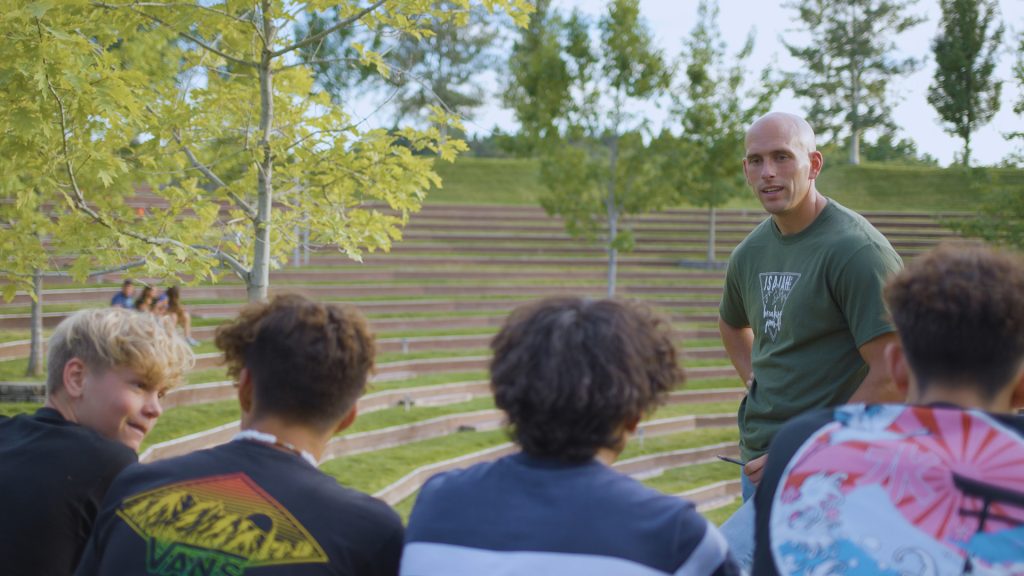
“Instead of knowing 100 kids, it became about really knowing three,” he said. Knowing their stories. Knowing their closest friends. Knowing where Jesus was already at work in their lives.
Jared grounded that metric in the life of Jesus himself: “Jesus walked with 12 guys — and even one of them didn’t work out. I figured that was a good metric.”
That kind of depth creates ripple effects. When kids feel truly known, they invite others. When leaders are secure in their why, club becomes magnetic. Kids are remarkably perceptive — they can sense authenticity almost instantly.
Working From Belovedness, Not Pressure
Several leaders reflected honestly on burnout — on striving, rushing ahead, and working from their own strength.
Jared described the shift that brought lasting health: “The health of a club is shaped to the degree that staff and leaders know their own belovedness and work from that place.”
When leaders work from belovedness rather than pressure — free from comparison, performance, or fear — kids feel it. Club becomes safer. Lighter. More joyful. And more aligned with the heart of Jesus.
So … Is Club Working?
Maybe the better question isn’t: How many came?
Maybe it’s:
- Who felt known?
- Who felt safe?
- Who encountered Jesus?
- Who left wanting to come back?
Club doesn’t grow because it’s loud. It grows because kids are loved. And sometimes, God does his deepest work not through knowing 100 — but through faithfully knowing just a few.