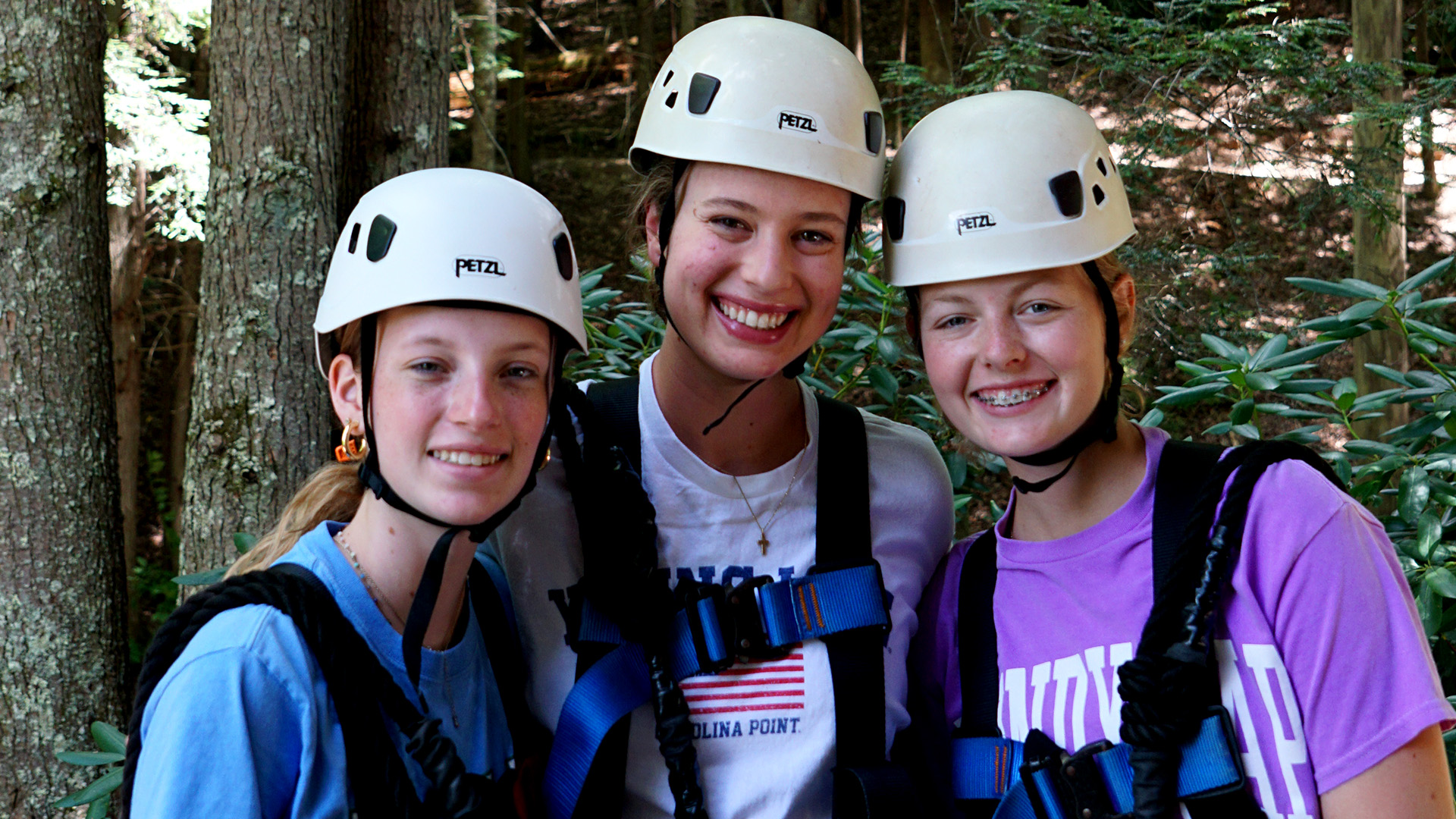

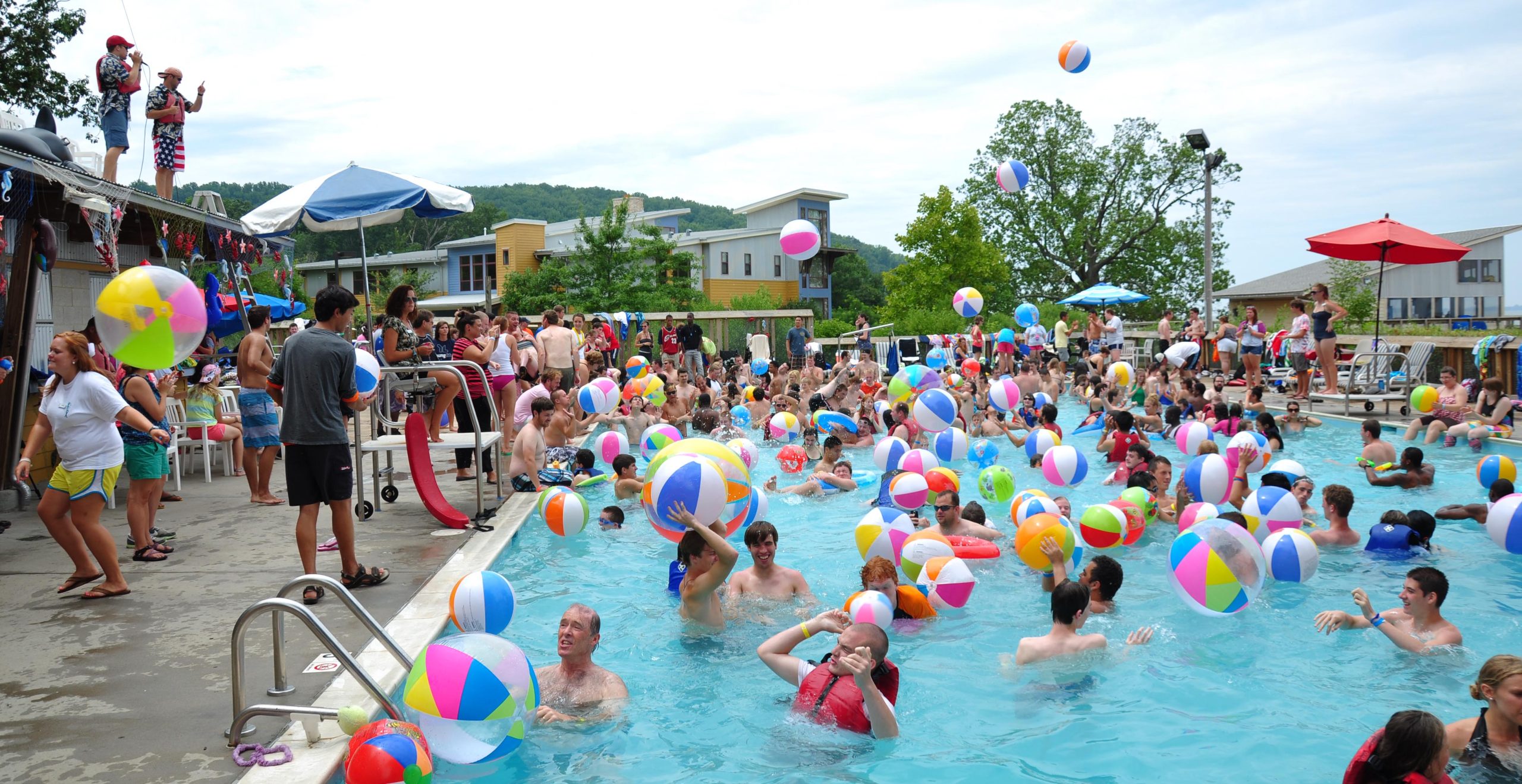
A week at Young Life camp is one of the best weeks of a kid’s life — not just because of the zip lines, theme nights, or exciting games, but because camp is intentionally designed for connection. Kids feel seen. They laugh hard. They unplug. They slow down enough to build real relationships with leaders and friends and get to ponder the God of the universe.
The good news? You can bring some of the magic of camp into your own home by creating new, meaningful rhythms.
Here are seven ingredients of camp to “level-up” with your people:
1. Make Mealtime Sacred
At camp, meals are more than just food. They’re moments to gather, talk about favorite parts of the day, and laugh together with no phones in sight.
At home, even one intentional meal together each day or a few a week can make a huge difference. Of course there will be busy nights filled with practices, concerts, and commitments, but whenever possible, protect that time together.
One simple way to get the conversations going? Ask a question around the table. It can be serious, funny, or completely random. Have someone new bring a question each time!
2. End the Day with “Cabin Time”
At camp, cabin time happens as the energy of the day is settling down. It’s a chance to reflect, ask questions, and hear from one another before lights out.
You can create a version of this at home by ending the day with one intentional question for your kids as you’re saying goodnight to them. Those final moments before bed are what they’re thinking about as they fall asleep — they matter more than we realize.
Here are some examples:
- What made you smile today?
- What felt hard today?
- Where did you see God today?
- What are you looking forward to tomorrow?
The goal isn’t to force a deep conversation every night. It’s simply to create space where your kids know they can talk honestly with you and that you care.
3. Prioritize One-on-One Conversations
One of the most meaningful parts of camp is the one-on-one conversations leaders have with kids throughout the week. These moments communicate to a kid that they matter, and their leader wants to know them.
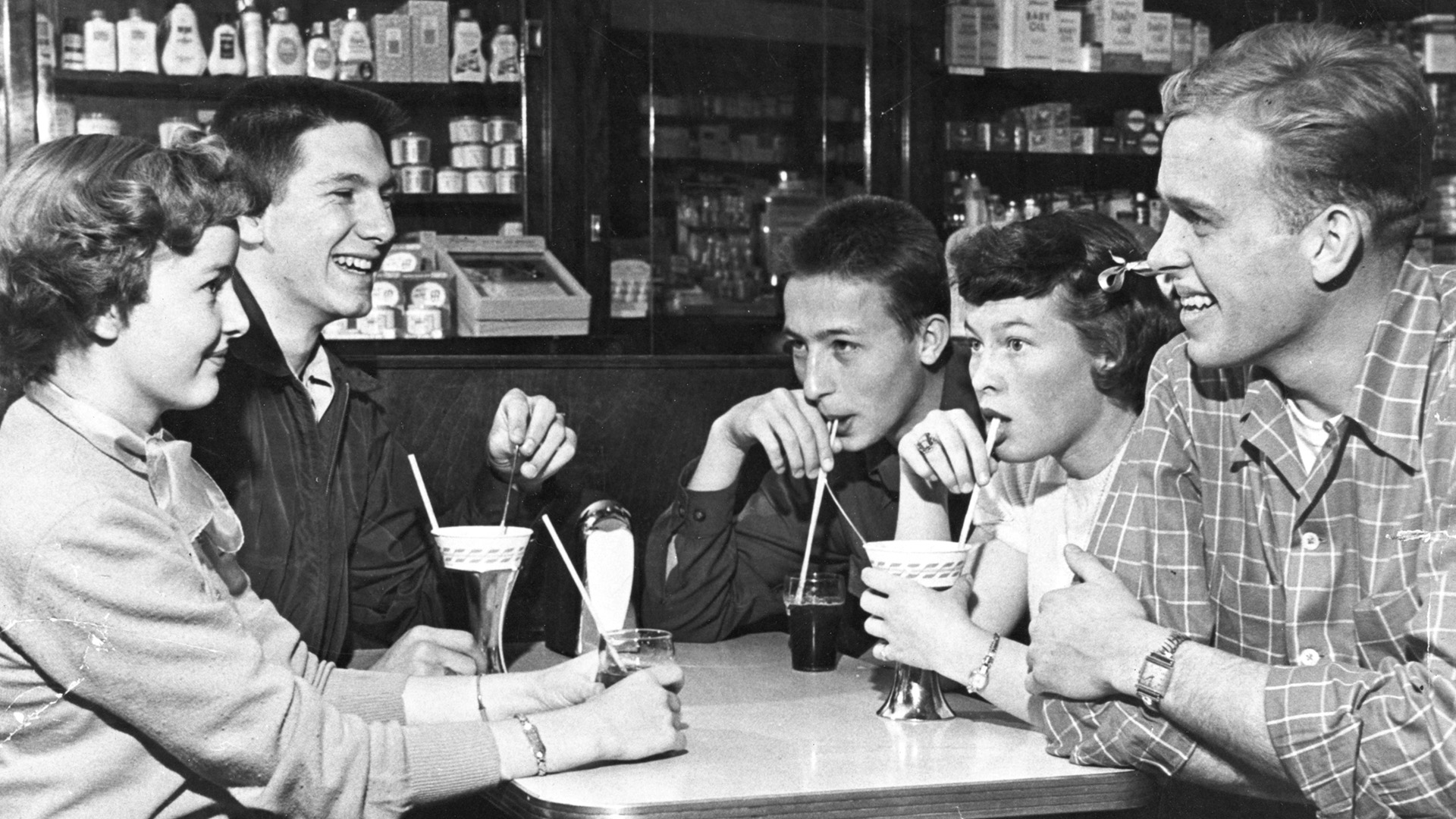
At home, these conversations don’t have to be formal or overly serious. They can happen naturally after a movie, during a drive, after a game, or while grabbing ice cream together.
Ask questions. Debrief experiences. Listen more than you talk.
And remember: sometimes there will be silence. Sometimes it may even feel awkward, and that’s okay. Consistently creating space for conversations matters more than having the perfect words. Just keep trying.
4. Don’t Underestimate Play
Camp is full of play every day. Games, laughter, competition, adventure — fun is part of what brings people together.
As adults, play is often the first thing to disappear from our schedules, but shared fun builds connections in powerful ways.
At home, this could look like:
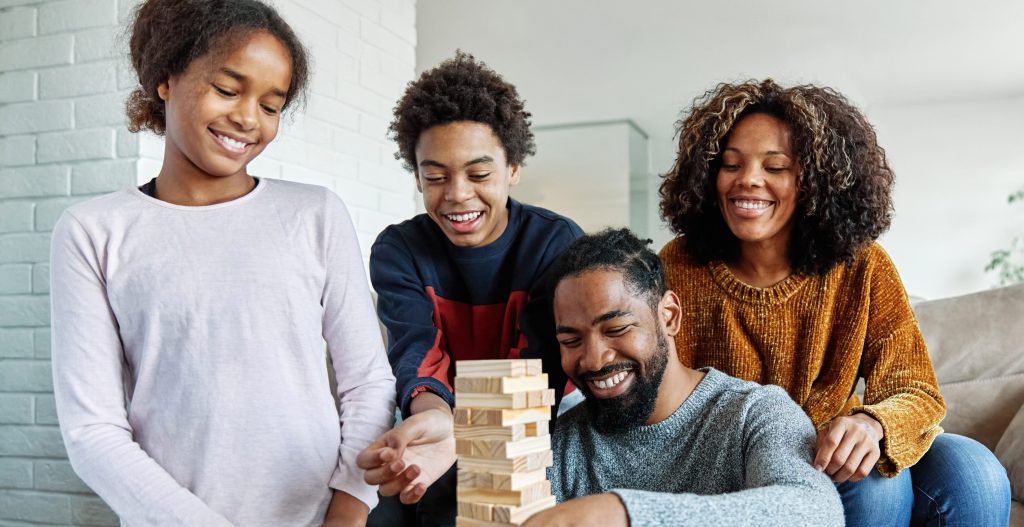
- Family game nights
- Bike rides
- Trying a new restaurant
- Playing pickleball
- Doing an escape room together
- Watching a movie everyone actually enjoys (Try your best, this could be an impossible task.)
It doesn’t have to be elaborate. It just needs to be a time to have fun and make memories together.
5. Leave Room for Free Time
Every day at camp includes free time — unstructured space with no agenda. Some of the best moments happen during this time.
At home, we often feel pressure to fill every hour with productivity or plans. We’re overwhelmed by opportunities and things to do. But free time isn’t wasted time. It’s intentional.
Maybe on weekends you create time where there are different things open in the house for people to do like:
- A reading corner
- Art supplies on the table
- A movie playing
- Music in the background
- Board games available
- Time outside
And if possible, make some of that time phone-free. Disconnecting to reconnect.
6. Keep the Element of Surprise Alive
One reason camp feels exciting is because kids never fully know what’s coming next. Surprise creates anticipation, joy, and shared memories.
You can bring that same spirit home in simple ways:
- Surprise movie night
- Ice cream run after dinner
- Breakfast for dinner
- A spontaneous day trip
- A themed family night
The surprise doesn’t have to be a big thing. What matters is the intentionality behind it. Those unexpected moments communicate care in big ways. You could also pair different family members up with one another to take turns planning surprises, so everyone gets to be surprised at one point or another.
7. Don’t Waste the Drive
Some of the best camp memories happen on the bus rides — singing loudly, telling stories, unknowingly creating inside jokes, or having surprisingly meaningful conversations as the bus is chugging along.
The same can happen in the car at home. Drives to school, practice, or even the grocery store are opportunities for connection.
Not every car ride needs to become a heart-to-heart, but small moments matter:
- Have them play you their current favorite song
- Ask what’s making them laugh lately
- Discuss a show they’re watching
- Let them explain a TikTok trend to you
- Share highs and lows from the day
Don’t waste the drive.
_____
Camp isn’t magic because of the place — it’s because of connection with people and with God.
You don’t need a lake, ropes course, stage, or dining hall to create special moments. Small rhythms of presence, conversation, fun, and intentionality can transform your home over time.
So take a few ideas from camp and give them a shot. You might just find yourselves connecting deeper with one another, playing harder, and laughing together all year long.