
Made for More Than a Screen
The Bible teaches us that we are embodied souls. The Hebrew word “nephesh” literally means throat but is translated as “body” in many places, and as “soul” in others, including Deuteronomy 6:4-9. It’s about the “whole of your physical existence” and how you interact with the world around you. This reminds us that God never intended for our minds, hearts, and bodies to be separated. They are deeply connected and work together as a whole. He wants us to lean into this life loving him with everything we have.
In the Digital and AI Age, there are many forces pulling us (adults and young people) toward a disembodied experience, and yet we know well that God did not create us for such an existence. That’s why it’s especially important to pay attention to our bodies, care for them well, and celebrate the gift of being human as embodied souls.
As a lifestyle medicine physician, I help people develop healthy rhythms around nutrition, physical activity, stress management, mental health, connecting with others, and sleep. Learning to listen to our bodies is a skill that takes time and practice. Unfortunately, life in a digital world often disconnects us from the physical cues that help us build that awareness. This is where caring adults can play an essential role, helping young people reflect on what they’re experiencing and develop healthy habits that will serve them throughout life.
Rest, Stress, and the Balance Between the Two
Adolescents, especially, need significant amounts of rest because of the rapid physical, emotional, hormonal, and cognitive changes they’re experiencing. Nine hours of sleep is healthy for many teens, yet many of the young people in our study get far less.
Young people also need help learning to recognize their bodies’ responses to stress. Not all stress is harmful. A certain kind of positive stress, called eustress, helps us grow, stretch, and become more resilient. But when stress becomes chronic or overwhelming, it can take a toll on our physical, emotional, and mental health.
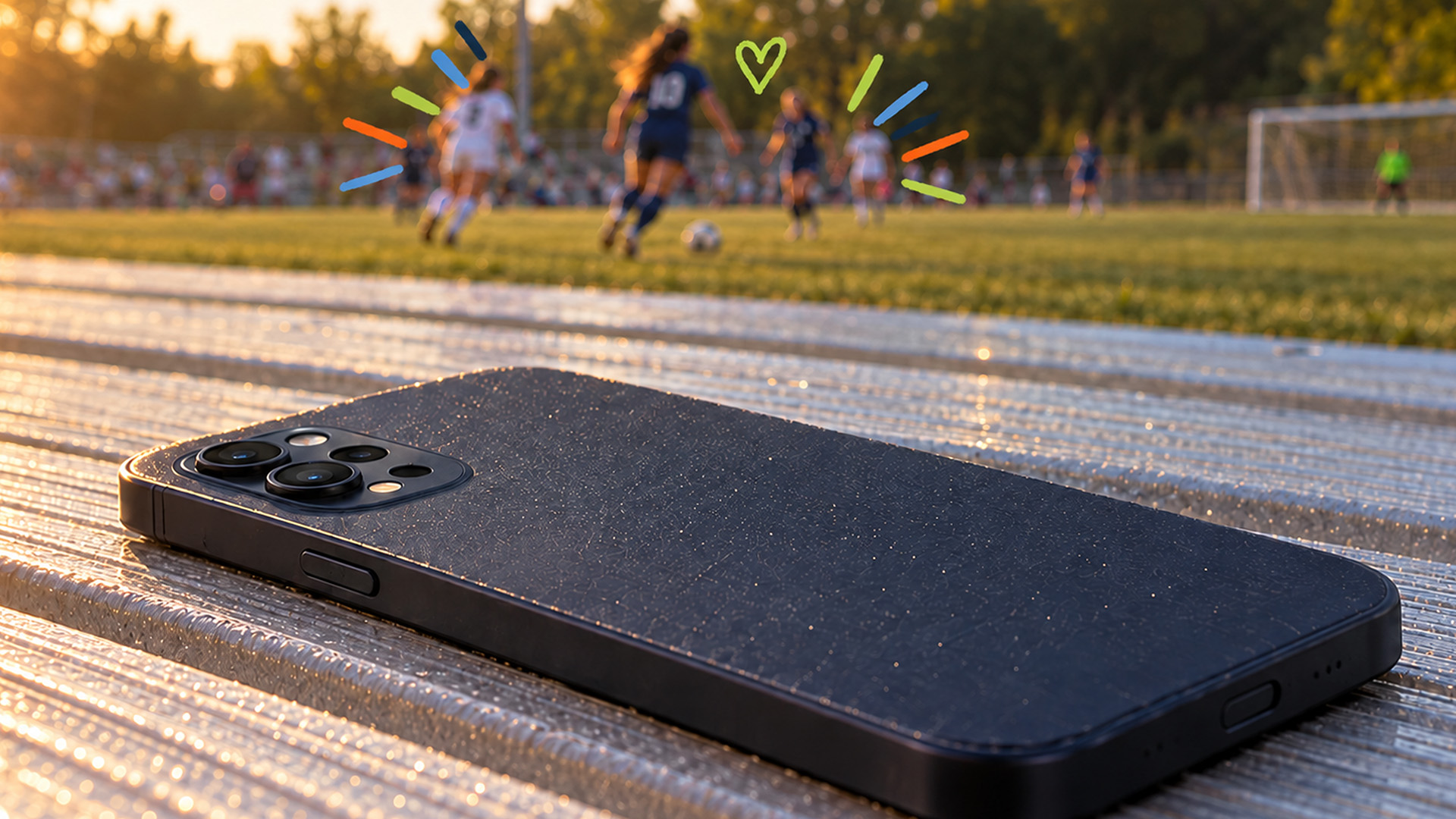
For example, sports can be both beneficial and demanding. Regular exercise is essential for health, but training that constantly demands performance at a young age can also place significant stress on a developing body and mind. Learning to find the right balance is important. Learning where to find healthy resources to handle stress is essential.

What AI Can and Can’t Offer
There is no magic formula for caring for the body. Any physician will tell you that! We have best practices, guidelines, and known risks to avoid, but wisdom and discernment must be our guide.
AI can be a helpful tool. I have asked it to create a weekly meal plan to support an adolescent athlete’s training program. But AI doesn’t have a body and therefore cannot truly relate to what it means to be human. It can provide an aggregate of data, suggestions, and tools, but it cannot offer the wisdom that comes from lived experience, overcoming challenges, and relying on God, family, and friends along the way.
A Different Way
That’s where mentors and trusted adults are irreplaceable. Real physical people, embodied souls. They — YOU — offer the perspective, experience, and encouragement that young people need as they navigate an increasingly complex digital world.
Isaiah 30:21 says it well:
“And your ears shall hear a word behind you, saying, ‘This is the way, walk in it,’ when you turn to the right or when you turn to the left” (ESV).
We all need to hear real words directing us. Young people need adults who care about them to show them the way. They need guides who can help them connect with their bodies, minds, hearts, and souls, their whole being and the whole of who they are, so that they can know, love, and glorify their Creator.
Learn more about how living in a digital world is affecting adolescents and their bodies.