
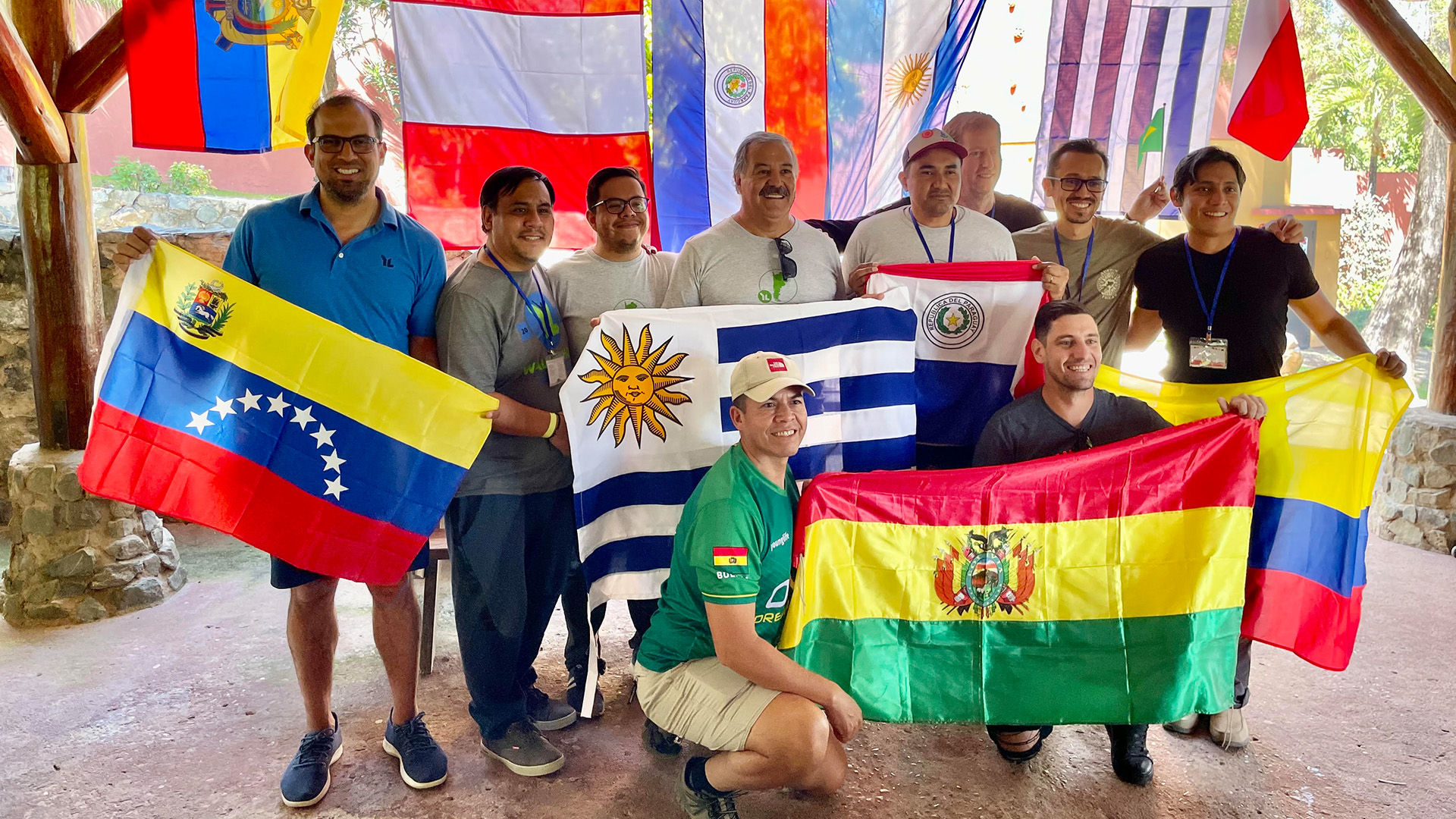
Editor’s Note: As we continue celebrating Young Life’s 85th birthday, we think it’s important to note that we’ve been reaching Latino kids for decades. In fact, the third country outside the U.S. where we established the work was Brazil, in 1963. Today we have ministry in 24 Latin American and Caribbean countries. Every year, from September 15 through October 15, millions celebrate Latino Heritage Month. Our regional director for the Greater Houston Region, Lucho Llanca, shares how the celebration and Young Life go hand in hand.
Each year, as we step into Latino Heritage Month, we’re invited into a season of joyful celebration, gratitude, and reflection. Across Young Life, our core passion is — and always has been — to introduce kids to Jesus Christ and help them grow in their faith. But to reach every kid, we must be willing to see, honor, and learn from the rich cultures and histories that shape their everyday lives.
For our Latino staff, leaders, kids, and families, this month offers a vibrant reminder of how God’s creativity is woven through diverse traditions, languages, and stories. For all of us, it’s a wonderful opportunity to practice radical hospitality and expand our understanding of familia.
Young Life is fundamentally a relational ministry, making it a natural fit for Latino culture, where relationships lie at the center of everyday life. Everything Young Life does — from club and Campaigners to camp — feels like a joyful celebration. For Latinos, who love coming together for any occasion, “fiesta” is one of our favorite concepts! It offers the perfect opportunity to gather as a family, which means everything to us.
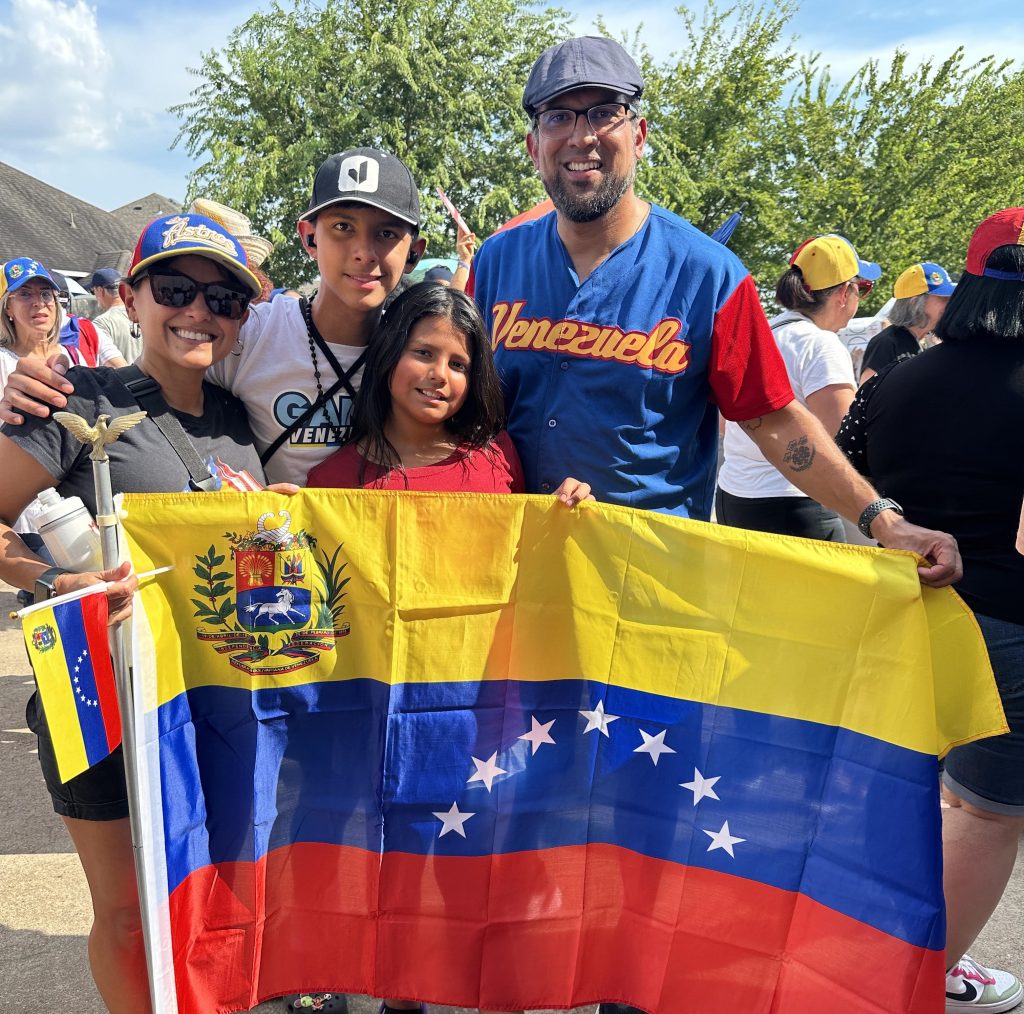
Understanding the Heart of the Culture
To love people well, we must understand what makes their hearts beat. In Latino culture, several core values closely reflect the heart and ethos of Young Life’s relational ministry model:
● Familia (Family): Family extends far beyond the nuclear household to include grandparents, cousins, neighbors, and close family friends (the tío/tía culture). Ministering to a Latino teenager often means welcoming, respecting, and building long-term trust with their entire extended family network.
● Relacional / Convivencia (Relational Life and Gathering): Faith and community are lived out organically around tables, over shared meals, and through unhurried time together. Relational ministry is not merely a strategy — it’s a way of life deeply embedded in Latino heritage.
● Hospitalidad (Radical Hospitality): There’s always room for one more person at the table, another chair in the room, and an extra plate of food. It reflects a generous, open-hearted posture toward neighbors and strangers alike.
● Fe y Resiliencia (Faith and Resilience): An enduring legacy of perseverance, deep-rooted faith, and vibrant worship anchors families and communities through times of both joy and trial alike.
● Fe y Tradición (Faith and Tradition): Latinos represent a rich tapestry of backgrounds and spiritual traditions. It’s deeply meaningful to recognize the historical influence of Catholicism across Latin America, as well as among the nearly 40% of Latinos in the United States who actively practice the Catholic faith today.
What Does It Mean to Be Latino?
There are 21 Spanish-speaking countries and territories across Latin America, each boasting its own rich history and unique cultural heritage. To engage thoughtfully with our staff, leaders, and teenagers, it helps to understand the terminology that shapes this identity. Crucially, “Latino” refers to an ethnicity and shared cultural background rather than a specific race. Interestingly, the term “Hispanic” was institutionalized by the U.S. federal government in 1976 and first appeared on the U.S. Census in 1980. While both terms are widely used today, many individuals in our community feel a closer personal connection to “Latino.”
Bridging Heritage and Ministry
Celebrating heritage isn’t just about marking an annual calendar moment — it’s about growing as a staff and leadership body so every adolescent feels fully known, named, and loved by God. When we intentionally learn about the cultural backgrounds of the kids in our areas, we mirror the Incarnation: stepping into their world to demonstrate the transformative love of Christ. Here are a few ways we can lean into Latino Heritage Month across our areas:
1. Listen and Learn with Curiosity: Take quality time to listen to the personal stories of Latino leaders, staff, and kids in your area. Ask open questions about their traditions, family roots, and what brings them joy.
2. Celebrate at Club: Intentionally highlight Latino musicians, stories, or traditions in ways that are authentic, honoring, and engaging for your entire club community.
3. Engage the Community and Families: Consider how your area connects with parents and guardians. Are communications clear and accessible? Are we building relational trust with families early on?
4. Pray for the Harvest: Pray specifically for Latino kids in your local schools, for God to raise up indigenous leaders from within these communities, and for unity across all cultural expressions in your ministry.
A Shared Table
Scripture offers us a breathtaking vision of the Kingdom in Revelation 7:9 — a dynamic gathering from every nation, tribe, people, and language worshipping together before the throne. When we celebrate Latino Heritage Month, we receive a powerful foretaste of that heavenly reality right here in our local clubs, camps, and staff gatherings.
Thank you for the faithful ways you show up, build relational bridges, and clear the path for every kid to encounter the life-changing love of Jesus. May this time always be filled with rich community, delicious food, deep spiritual connection, and renewed joy in our shared calling!