

This is the second part of a conversation with Kimberly Nollan, Young Life’s director of Research and Evaluation, and Tiffani Hutton, Young Life’s research analyst, to discuss what the latest research from our Global RELATE project tells us about the lives, faith, and experiences of the kids we serve.
Here’s where you can read part 1 of the conversation.
When asked where they most feel like they belong, kids overwhelmingly said family (69%) and friends (61%) — not school, not online, not institutions. Club is loud, chaotic, and built for belonging. How does that format actually meet a need the data says is being met elsewhere — or not met at all?
Tiffani: I think one of the things Young Life club offers is a low-pressure place to belong. Young people can come and be silly, laugh, participate, or simply observe. There isn’t an expectation that they have to immediately open up or share something personal in order to be welcomed. This matters because we heard in our focus groups that belonging isn’t always automatic — it develops over time when young people feel safe from judgment. Club offers a low-stakes way to start that process. Young people also told us that connecting with friends is one of the top ways they cope with stress. Belonging doesn’t always start with a deep conversation. Sometimes it starts with just having fun together, being welcomed back week after week, and realizing there are people who are genuinely glad you showed up.
Forty-nine percent of kids now strongly agree they can be fully themselves around friends, up from 42% in 2023 — but your focus groups say belonging is “conditional or earned,” dependent on feeling safe from judgment. What should parents know about why club works (or doesn’t) for kids who are naturally guarded?
Kim: Club is a space where people get to know one another through activities. That’s different from Campaigners, which is smaller and designed to be more conversational. There isn’t an expectation that kids will share more than they are comfortable sharing while at club. Kids can be observers, participants, and even leaders at club. The hope is to create a space where people can show up as who they are and where they’re at in the moment — whether that’s happy, sad, angry, stressed, chill, or something else.
A U.S. teen told you: “We really care how we’re perceived … but we act like we don’t.” How does that specific tension — performing indifference while craving acceptance — show up in a room like club, and what should leaders and parents watch for?
Tiffani: I think sometimes simply showing up is how a young person tells you they’re interested. Young people have incredibly full lives and a lot of demands competing for their attention, so if they continue coming to club — even if they’re standing in the back, acting like they don’t care, or don’t seem particularly engaged — that means something. What we heard in the focus groups was to be patient. Relationships take time. Young people may be watching to see whether you’re going to keep showing up, keep welcoming them, and keep being interested in them before they feel safe enough to show they care too.
RELATE found one in five adolescents has unstructured hangout time with friends less than once a month. Camp is unstructured time and physical presence (and maybe some sleep). Make the case to a skeptical parent: why does a week away from screens and schedules matter developmentally, not just spiritually?
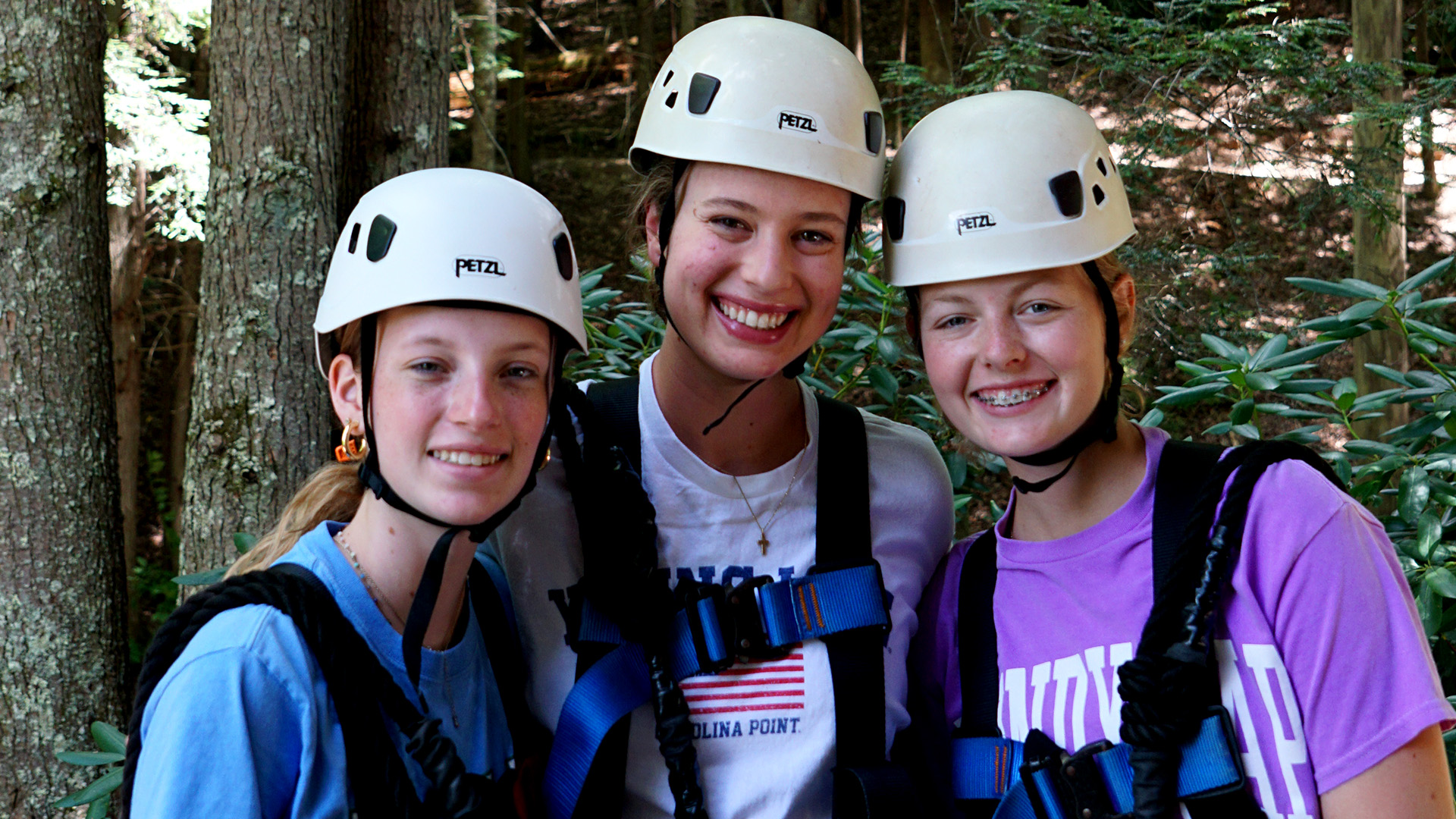
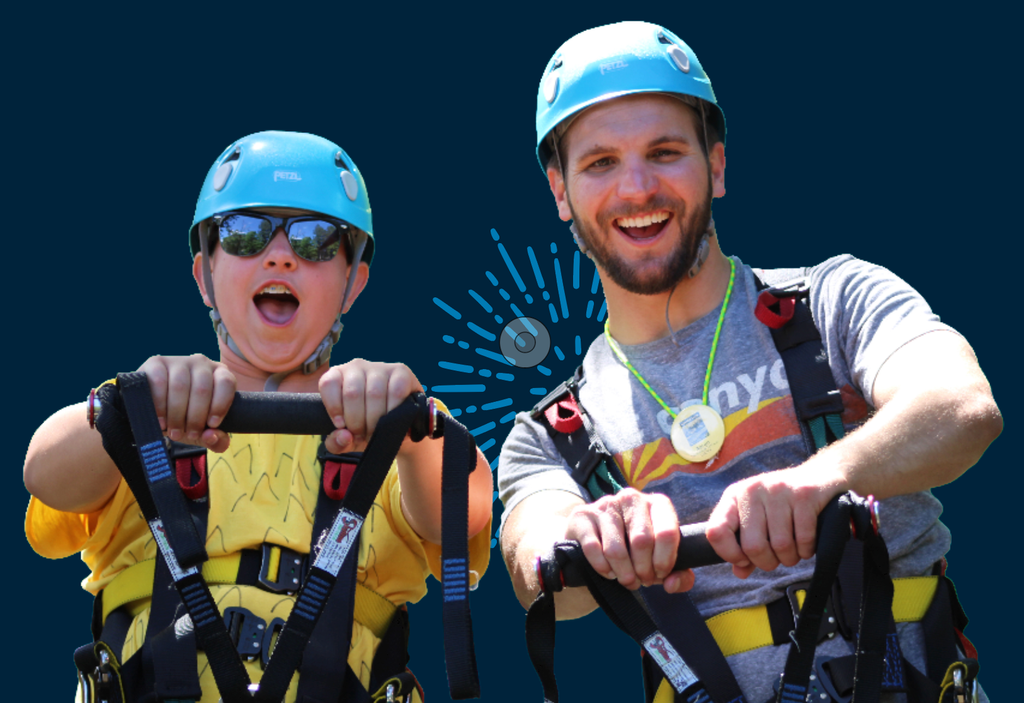
Kim: Outside of faith, camp is about relationships. Discovering things about yourself through challenges like the ropes course or zip line builds your relationship with yourself. Doing things together like meals, cabin challenges, cabin times, and more builds relationships with others. Being in nature, hearing about God’s character and love, and music can all help build your relationship with God.
Lots of unstructured tech-free time is built into camp, where getting to know others can happen in unforced ways. In a world that tells young people to always be plugged in, to post about their lives, make sure to like all your friend’s content, the stress of it is constant. By providing a tech-free week, young people have an excuse to not be constantly connected online. They have a chance to look around, allow thoughts to form, breathe more deeply, laugh and share experiences with others. They have the space to be fully present in the moment. That’s a gift that most of the time we have to fight for.
The report says “in our bodies, our whole person is present, and when the whole person is present, that whole person can develop.” What did you see in the data — stress levels, sleep, social media use — that makes embodied, in-person time like camp feel less like a nice “extra” and more like a necessity?
Tiffani: Young people need opportunities to unplug and be fully present. We heard in our focus groups that stress has become a constant backdrop of daily life, and mental health was one of the top concerns young people identified for themselves and their communities. We also saw the physical side of this in their sleep: young people are averaging just over seven hours a night, and only 40% of 13- to 15-year-olds reported getting eight hours or more. What happens in our digital lives can affect our physical and emotional lives, too.
What’s interesting is that young people are still telling us they want face-to-face connection. Experiences like camp give them a chance to step away from some of those constant digital demands and be present in their bodies and with the people around them — and some things really can only be learned that way: reading someone’s facial expression or body language, sitting through an awkward silence, navigating a disagreement in real time. Those are skills built through repetition, in person, over time.
It matters for faith, too. In our survey, spending time in nature was the second most common response when we asked how they grow in their faith. Camp puts kids in that environment directly — outside, unplugged, and present — making space for both relational and spiritual development.
Want the full picture? Explore the complete 2026 RELATE Project findings