
I grew up not knowing Jesus. But through a beautiful and life-changing series of events, I came to know Jesus and found my heart for ministry with those with disabilities in my senior year of college.
When I started working with Young Life, I didn’t know the first thing about working alongside our friends with disabilities. I knew I wanted to serve, and that was about it!
But the families of the children I encountered when I began working with our Capernaum ministry — at that time, the first on the East Coast — were beyond gracious. They welcomed me into their lives. They taught me how to walk alongside them, and how to walk alongside their children.
After many years of service, there came a day when my colleagues and I realized many of our friends with disabilities weren’t being intentionally prepared for leadership in their communities and workplaces.
Born from a desire to see our friends fully embrace their God-given gifts, the Capernaum Leadership Experience was born. Staff and volunteers globally recognized that while many Capernaum alumni possessed the vision and heart to lead, they were often overlooked or placed in positions without proper equipping.
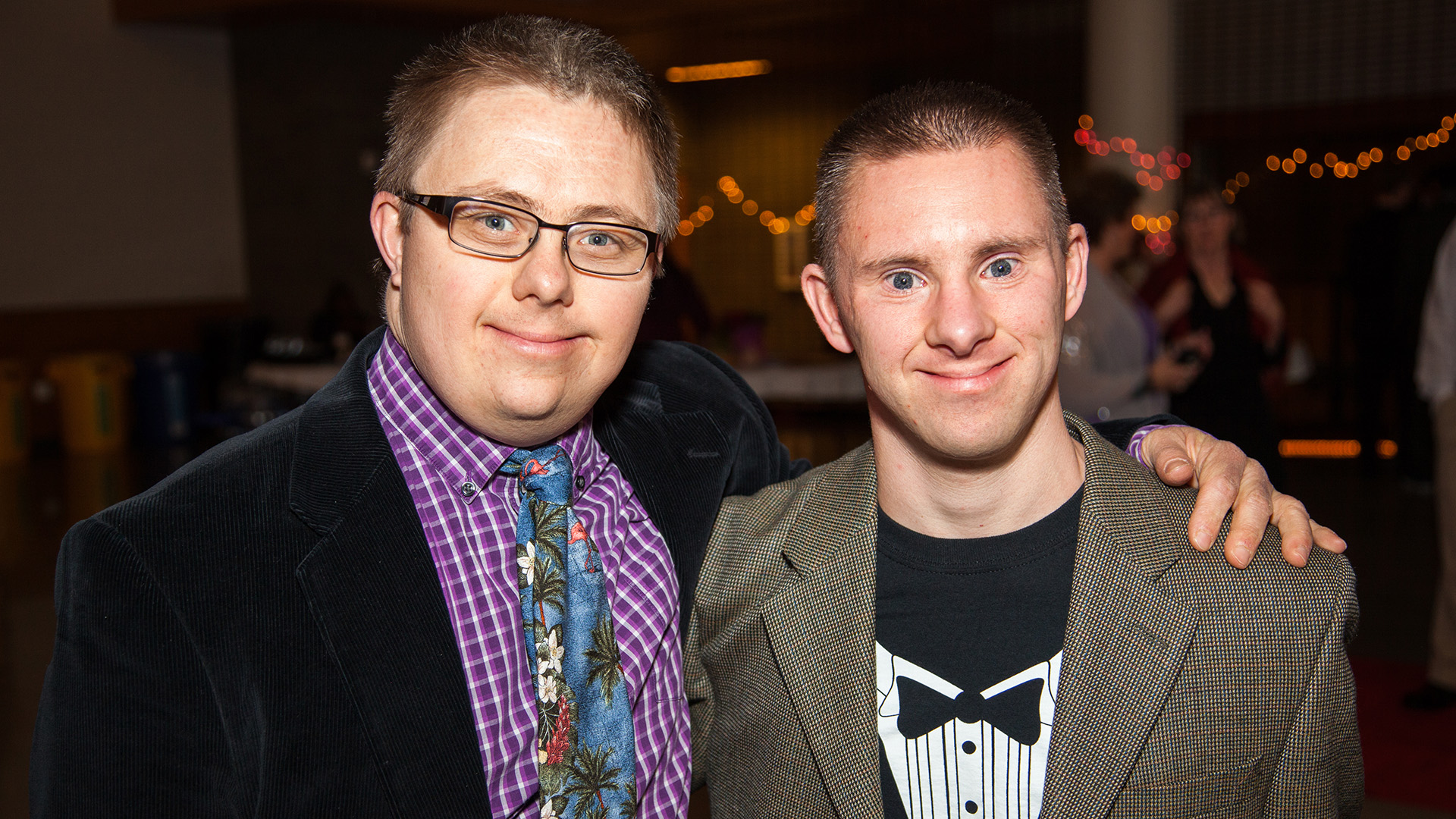
To bridge this gap, Capernaum leaders began the journey to develop a yearlong discipleship program created for all leaders, but crafted for leaders with disabilities. In this program, participants — known as Specialists — are paired with one-on-one coaches to master specific leadership traits and complete life work designed to engage their local communities, ensuring they’re not just filling courtesy roles, but growing as true servant leaders.
If we’re normally abled, we tend to take for granted we can walk up stairs or be perceived more or less accurately by our colleagues, friends, and relatives. But those with disabilities face barriers to entry — social, professional, and physical — every day, everywhere they go.
Their workplaces are sometimes even physically difficult to enter! Communication is another common barrier to advancement or inclusion, especially for those with processing or auditory disabilities; so too are policies with disproportionate impact on those with disabilities in the community or workplace.
And it’s very easy to set these difficulties out of mind if you aren’t close friends with or related to someone who has a disability. It’s easy to ignore them, to ignore their needs. It’s easy to look away from the needs that confront you, if they do.
It’s imperative we do not. We have the power and responsibility to prevent our friends with disabilities’ God-given talents from being hidden or thwarted.
Our Leadership Experience participants have the chance to interview community leaders and ask them how they got where they are. They have a chance to go to people in their communities who’ve succeeded and ask them for counsel. Of course, this is nerve-wracking work for some!
But it’s work that transforms the community’s understanding of our friends with disabilities in the workspace and volunteer space. Every life it touches is changed for the better.
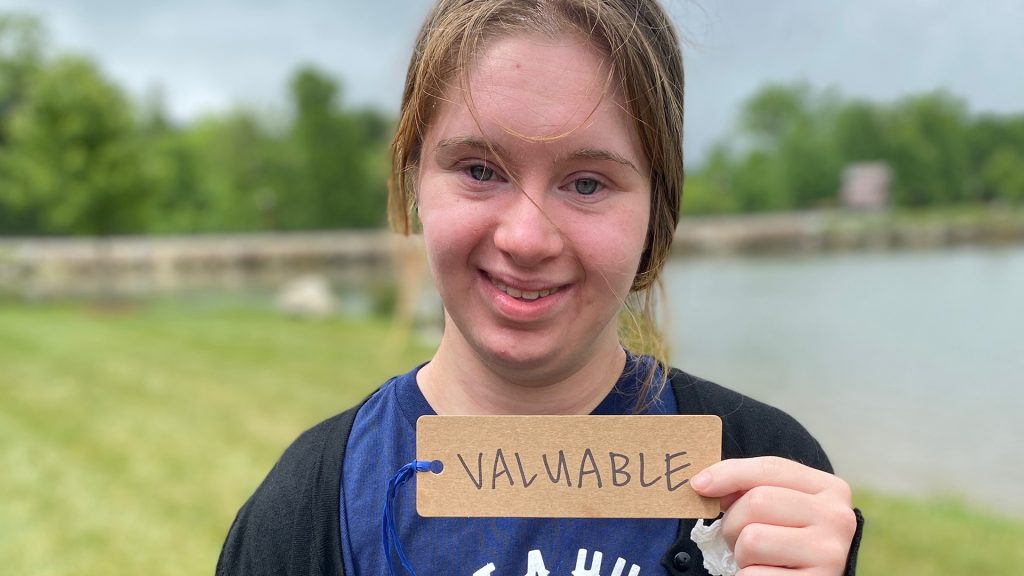
Of course, most of my personal experience with this ministry has been in the United States. I’ve witnessed meaningful growth in how we recognize and affirm the leadership of friends with disabilities, even as we continue learning together.
In other parts of the world, disabilities are viewed as a curse. These precious young men and women are seen as a mistake. They often don’t even go to school — and if they do go, they aren’t taught to read or write.
In places where disability is often marginalized, such as Kenya and Central Asia, we like to say the program is turning culture right side up by demonstrating that these friends belong at the leadership table.
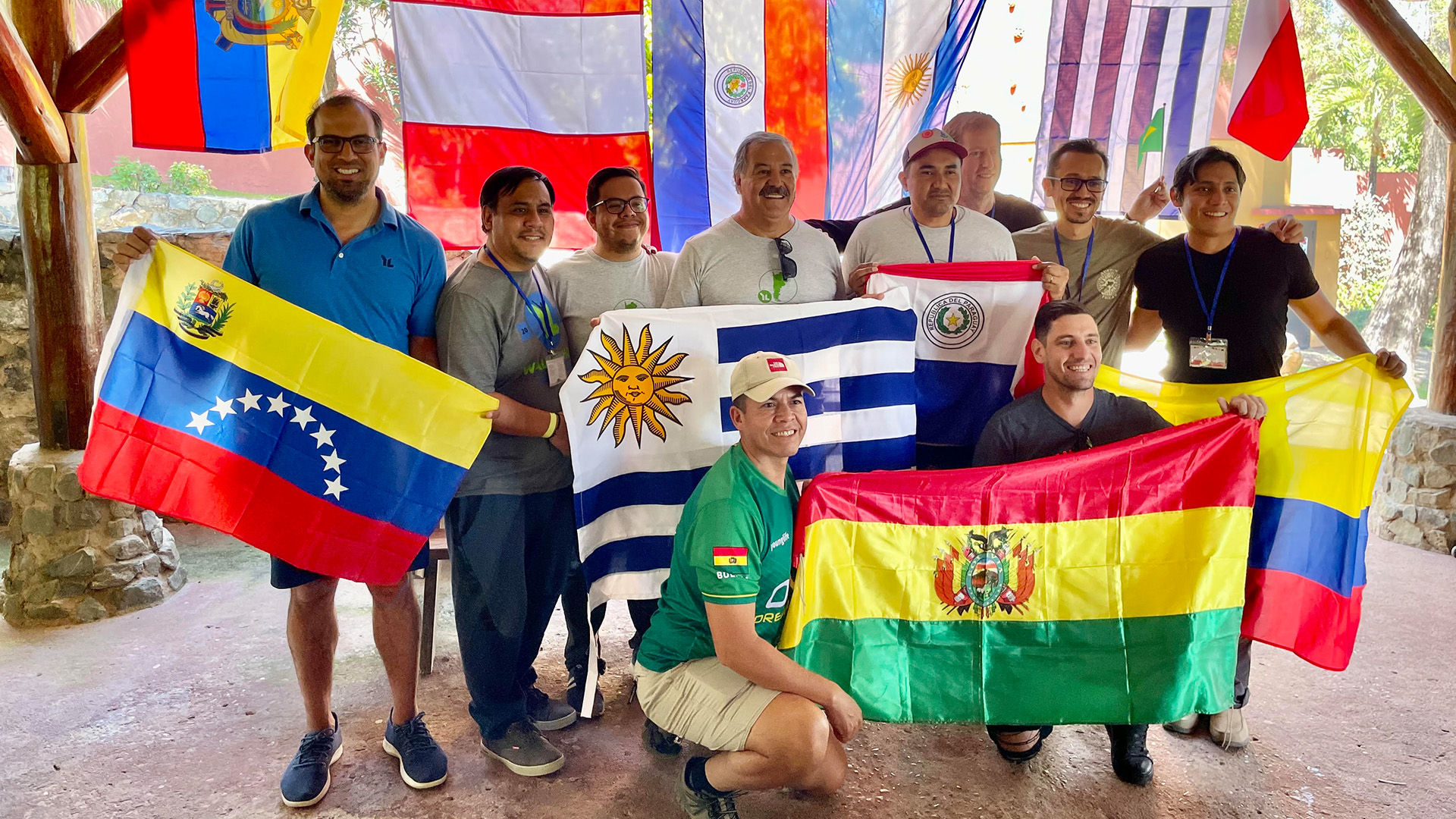
Kenya celebrated its first graduation of The Leadership Experience in December, followed closely by a graduating cohort in Central Asia early this year. To make this possible, the curriculum was thoughtfully adapted and de-Americanized to ensure it was accessible in regions without reliable technology or for those who cannot carry heavy materials, allowing the program to faithfully go where kids are.
The impact of this initiative is already reshaping our culture internally:
- We have grown from having only one staff member with a disability throughout Young Life in 2020 to 14 Capernaum Leadership Experience alumni now working full time on our staff.
- We’re currently operating in 17 U.S. cities and two in Canada.
- More than 200 Capernaum alumni have graduated from the Leadership Experience, with another 250 anticipated by 2030.
- We’re preparing to launch the experience in nine additional locations across Middle EurAsia within the next two years, alongside further expansion across Africa.
Ultimately, the goal is to spark curiosity in the church and the workplace, proving that every person is made on purpose for a purpose and has a vital role to play in the Kingdom. This is what it looks like to strive to make God’s will known and real here on earth.
It looks like perseverance, friendship, kindness, clarity of mind, and will. It requires we plant peace where there was strife; love where there was animosity or ill-will; justice where there was injustice; attention where there was previously indifference or neglect.
And if we take the work seriously, we won’t just forge stronger friendships with the men and women we come to know through our service. We’ll become better friends with God.
By Suzanne Williams